Finger Prints Glyph Font: Adding a Human Touch to Your Designs
Whether you're working on a personal project, a commercial design, or something in between, Finger Prints Glyph Font offers a unique way to bring authenticity and character to your work. This font isn't just about text—it's about texture, emotion, and the subtle details that make designs feel more real.
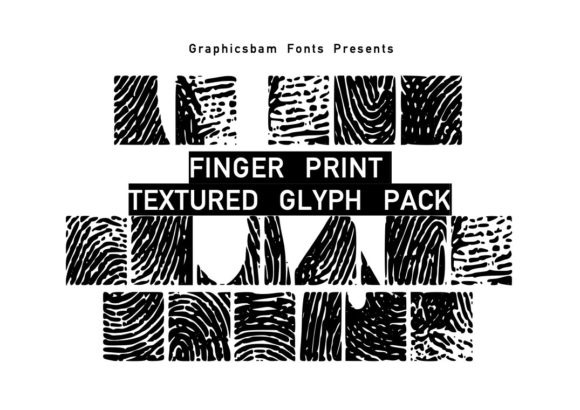
At its core, Finger Prints Glyph Font is a collection of glyphs that mimic the natural patterns found in human fingerprints and palm prints. These textures are designed to be used as visual elements, blending seamlessly into graphics, logos, backgrounds, and more. Unlike traditional fonts, which focus on letterforms, this pack adds a tactile quality that can elevate any creative endeavor.
Real-World Applications for Finger Prints Glyph Font
Imagine you're designing a logo for a small business that wants to convey trust and craftsmanship. Instead of using a generic font, you could incorporate a fingerprint texture to give the brand a more personal, handcrafted feel. This subtle detail can make a big difference in how customers perceive the business.
For educators, Finger Prints Glyph Font can be a fun tool for creating engaging materials. Teachers might use it to design worksheets, posters, or interactive activities that stand out from standard printed content. The texture adds a visual element that can help students stay focused and interested.
Marketers and advertisers often look for ways to make their campaigns more memorable. By integrating fingerprint textures into social media posts, advertisements, or website headers, they can create a sense of uniqueness that resonates with audiences. It’s a way to differentiate a brand in a crowded digital space.
How Different Users Can Benefit
Freelancers and independent creators might find Finger Prints Glyph Font useful when working on custom projects. For example, a graphic designer working on a wedding invitation could use a palm print texture as a background or border, adding a personal and elegant touch that sets the design apart.
Entrepreneurs launching a new product line could use the font to create packaging or branding materials that feel more authentic. A skincare company, for instance, might use fingerprint textures to emphasize the natural, handmade aspect of their products, reinforcing the idea of purity and care.
Small business owners looking to enhance their online presence might use the font in website design or email newsletters. A café owner could add a subtle fingerprint texture to their website background, making the site feel more welcoming and connected to the local community.
When and Why to Use Finger Prints Glyph Font
The best time to use Finger Prints Glyph Font is when you want to add a layer of realism or emotional connection to your design. It works especially well in projects that aim to evoke feelings of warmth, authenticity, or individuality.
Consider using it in situations where the goal is to make a design feel more human. For example, a nonprofit organization promoting community involvement might use a fingerprint texture in their promotional materials to symbolize the collective effort of people coming together.
It’s also useful when you want to break away from the monotony of standard typography. In a world where most designs rely on clean, modern fonts, incorporating a fingerprint texture can make your work stand out and feel more original.
What to Consider Before Using Finger Prints Glyph Font
Before diving into using Finger Prints Glyph Font, it’s important to think about how it will fit into your overall design. Not every project needs a textured element, and overusing it can distract from the main message.
Users should also consider the resolution and clarity of the textures. If the design is going to be printed, the texture should be high quality to maintain its visual impact. Digital applications may require different settings depending on the platform or device.
Another consideration is the compatibility of the font with different software and platforms. Make sure the file format supports the type of work you’re doing, whether it’s for print, web, or digital media.
Practical Examples and Scenarios
Let’s say you’re a blogger writing about mindfulness and self-care. You could use a fingerprint texture in your blog header to create a calming, grounded vibe that aligns with the theme of your content. It adds a visual cue that reinforces the message of being present and connected.
If you're a teacher creating a lesson plan on human anatomy, you might use a palm print texture as a background for a worksheet. This not only makes the material more visually engaging but also helps students associate the content with real-life examples.
For a small business owner selling handmade goods, adding a fingerprint texture to a product label can reinforce the idea that each item is one-of-a-kind. It tells customers that the product was made with care and attention to detail.
Connecting Features to Outcomes
The unique textures in Finger Prints Glyph Font aren’t just for aesthetics—they can have a real impact on how an audience perceives a design. A well-placed fingerprint can signal authenticity, while a subtle palm print can add depth and interest without overwhelming the viewer.
By focusing on real outcomes rather than just features, users can make more informed decisions about when and how to use the font. Whether it's for a personal project, a professional assignment, or a creative experiment, the right application can make all the difference.