Forehand Font: A Stylish Touch for Creative Projects
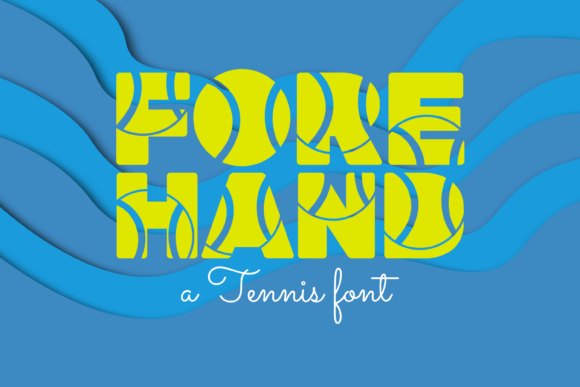
Forehand Font is a unique and eye-catching decorative typeface that brings a sense of personality and flair to any design. Its elegant curves and expressive strokes make it ideal for projects that require a touch of creativity and individuality. Whether you're working on a custom logo, a social media graphic, or a DIY craft, Forehand Font can elevate your work with its distinctive character.
This font stands out because of its handcrafted feel, which gives it a warm and authentic quality. It’s not just a font—it’s a tool that can help you express your vision more clearly and creatively. The right font can transform a simple idea into something memorable, and Forehand Font is designed to do just that.
For designers, marketers, and content creators, Forehand Font offers a fresh alternative to standard typefaces. It works well in both digital and print formats, making it versatile for a wide range of applications. Its readability at various sizes also makes it suitable for headings, titles, and other prominent text elements.
Exploring the Creative Possibilities of Forehand Font
One of the most exciting aspects of Forehand Font is how it can be used across different creative fields. For instance, in branding, it can add a personal and artistic touch to logos and slogans. It's perfect for businesses that want to stand out while maintaining a professional appearance. A boutique, an art studio, or a handmade product line could all benefit from using this font to create a cohesive and appealing visual identity.
In the world of social media, Forehand Font can help content creators make their posts more engaging. Whether it's a quote, a caption, or a graphic, this font adds a visually appealing element that catches attention. It's especially useful for platforms like Instagram, Pinterest, and TikTok, where aesthetics play a big role in user engagement.
For hobbyists and DIY enthusiasts, Forehand Font opens up new possibilities for personal projects. It can be used in scrapbooking, greeting cards, or custom T-shirts. Its stylish look can turn a simple craft into a standout piece that reflects the creator's personality and style.
How Different Users Can Adapt Forehand Font
Forehand Font is adaptable and can be tailored to suit different goals and audiences. For example, a marketer might use it in a campaign to convey a sense of creativity and innovation. A teacher or educator could incorporate it into lesson plans or classroom materials to make learning more visually interesting.
Entrepreneurs and small business owners can leverage this font to enhance their brand presence. It can be used in website headers, email newsletters, or promotional materials. When paired with the right color scheme and layout, Forehand Font can help create a strong and memorable brand image.
Freelancers and independent creators can also find value in using Forehand Font. It can be used in portfolios, client proposals, or personal websites to showcase their work in a more dynamic and expressive way. This font allows them to present their ideas with a unique visual identity that sets them apart from others in their field.
Practical Tips for Using Forehand Font Effectively
To get the most out of Forehand Font, it's important to consider the context in which it will be used. While it's highly readable at larger sizes, it may not be the best choice for body text. Instead, use it for headings, titles, or short phrases where its visual impact can shine.
When pairing Forehand Font with other typefaces, choose a complementary font that balances its decorative nature. A clean, sans-serif font like Arial or Helvetica can provide contrast and improve overall readability. This combination can help maintain a professional look while still incorporating the unique style of Forehand Font.
Another tip is to experiment with different weights and styles. Some fonts come in multiple variations, such as bold, italic, or condensed versions. These variations can add depth and interest to your designs without overwhelming the viewer.
Realistic Examples and Use Cases
Imagine a small bakery looking to update its packaging. By using Forehand Font on its labels and signage, the bakery can create a warm, inviting atmosphere that reflects its artisanal approach. The font adds a personal touch that resonates with customers who appreciate handmade and unique products.
Or consider a blogger who wants to make their website more visually appealing. By incorporating Forehand Font into their headlines and section titles, they can create a more engaging reading experience. This can help keep visitors on the site longer and encourage them to return for more content.
For a school project or presentation, a student might use Forehand Font to make their slides more visually interesting. It can be used for key points, titles, or summaries to draw attention and make the information easier to digest.
Making Your Designs Audience-Friendly
When using Forehand Font, it's essential to keep your audience in mind. If your target audience prefers a more traditional or formal look, you may want to use the font sparingly. On the other hand, if your audience values creativity and originality, this font can be a powerful tool to connect with them.
Consistency is also key when using any font. Make sure to apply it in a way that aligns with your overall design strategy. This includes using it consistently across different platforms and materials to maintain a cohesive brand identity.
Finally, don't be afraid to experiment. Forehand Font offers a lot of creative potential, and the best results often come from trying different approaches. Whether you're designing a logo, creating a social media post, or working on a personal project, this font can help you bring your vision to life in a unique and meaningful way.